What Is the GI Bill? How Veteran Education Benefits Work (2026)
GI Bill • Dec 30, 2025 6:40:58 PM • Written by: VeteranDegrees
The GI Bill is one of the most important veteran benefits in U.S. history, especially for veterans who want to pursue college, career training, or professional advancement after military service. But while many people know the GI Bill exists, fewer understand what it covers, how it works in today’s education system, or how to choose the best option for their goals.
In this guide, we’ll explain what the GI Bill is, what it can pay for (including veteran college tuition and housing support), and how it continues to shape education after military service, including online degrees for veterans and modern hybrid program formats.
What Is the GI Bill? (Veteran Education Benefits Explained)
The GI Bill refers to a set of education benefits provided by the U.S. government to eligible service members and veterans. Its primary goal is to help veterans transition into civilian life by supporting education and workforce training.
Today, the most widely used version is the Post-9/11 GI Bill (Chapter 33), which may cover:
-
Tuition and fees (typically paid directly to the school)
-
A Monthly Housing Allowance (MHA) for eligible students
-
A book stipend
-
Potential additional support through programs like the Yellow Ribbon Program
Because eligibility and payment amounts can vary based on factors such as service history, enrollment status, school type, and program format, veterans should always confirm details with the U.S. Department of Veterans Affairs (VA) and their school’s VA Certifying Official.
What Does the GI Bill Cover for Veterans?
If you’re comparing education options after service, it helps to understand what the GI Bill is designed to support.
1) Veteran College Tuition and Fees
For many veterans, tuition is the biggest cost, and the GI Bill is often used to cover undergraduate or graduate education. Depending on your benefit level and the school you attend, tuition and fees may be covered up to certain limits.
2) Housing Support (Monthly Housing Allowance)
Eligible students may receive a Monthly Housing Allowance (MHA). The amount can depend on factors such as:
-
Your enrollment status
-
Whether your classes are in-person, online, or hybrid
-
Your school’s location (ZIP code)
3) Books and Supplies
Many GI Bill recipients also receive a book stipend to help cover required materials.
4) Career Training and Certifications
The GI Bill can also be used for certain non-traditional paths, including:
-
Professional certifications
-
Trade schools and technical training
-
Apprenticeships and on-the-job training
Education After Military: How Veterans Use the GI Bill Today
The GI Bill was originally focused on helping WWII veterans return home and pursue college education. Today, it supports far more diverse career paths.
College Degrees
Many veterans use the GI Bill to earn:
-
Associate degrees
-
Bachelor’s degrees
-
Graduate degrees (MBA, MS, etc.)
Online Degrees for Veterans
Online education has become a popular option for veterans balancing:
-
Work schedules
-
Family responsibilities
-
Geographic limitations
Online degrees can be convenient, but benefit eligibility and housing allowances may be different depending on the format.
Hybrid and Low-Residency Programs
Some veterans pursue hybrid or low-residency programs that combine online coursework with occasional in-person sessions. These programs can appeal to veterans who want flexibility while still engaging with campus-based learning.
Because benefits may vary by program format, it’s important to confirm with the school how the program is classified for VA purposes.
The Origins of the GI Bill: A Turning Point for Veteran Benefits
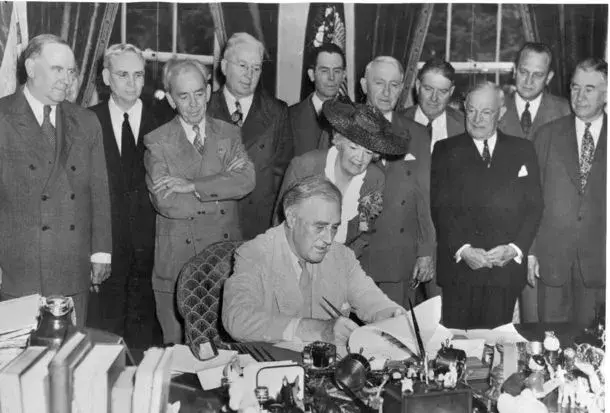
The GI Bill began with the Servicemen’s Readjustment Act of 1944, created at a time when the U.S. was preparing for millions of soldiers to return from World War II.
The government faced a major question: How do we support veterans returning to civilian life—without repeating the economic hardship that followed World War I?
The answer became the GI Bill: a program that offered support for education, training, and home loans—helping veterans build stable civilian lives while also strengthening the U.S. economy.
How the GI Bill Reshaped Higher Education in the United States
The impact was extraordinary.
When the GI Bill was introduced, college in the United States was largely limited to wealthier families. The GI Bill changed that by making higher education a realistic option for millions of veterans.
As a result:
-
college enrollment surged
-
universities expanded rapidly
-
more Americans entered professional careers
-
educational access increased nationwide
The GI Bill didn’t just help individuals—it transformed the American economy by supporting a more educated workforce.
Modern GI Bill Benefits: Opportunities and Challenges
While the GI Bill remains one of the strongest veteran benefits available today, veterans still face major challenges when trying to use it.
Challenge 1: Information Is Not Centralized
Veterans often struggle because information is spread across:
-
VA websites
-
school websites
-
benefit forums
-
social media groups
-
unofficial sources
That fragmentation leads to confusion around eligibility, program formats, and the certification process.
Challenge 2: Understanding Program Eligibility and Format
Many veterans don’t realize that the way a program is delivered (online, hybrid, in-person) can affect:
-
the type of housing support received
-
certification timing
-
benefit classification
Challenge 3: Choosing the Right School
Veterans may also struggle to evaluate which schools truly support them—especially when comparing tuition coverage, academic flexibility, and veteran services.
How to Choose the Best Colleges for Veterans: A Practical Framework
Instead of searching only by brand name, here’s a better approach: choose based on support, transparency, and long-term outcomes.
When evaluating the best colleges for veterans, consider:
1) Veteran Support Services
-
Veteran center presence
-
dedicated advisors
-
support for transitions, internships, and career placement
2) VA Certification Experience
-
Is the school responsive?
-
Do they explain the GI Bill process clearly?
-
Are certification timelines smooth each term?
3) Program Flexibility
-
online degree availability
-
hybrid/low-residency options
-
scheduling designed for working adults
4) Total Cost and Coverage
-
tuition and fee structure
-
Yellow Ribbon participation (if applicable)
-
expected out-of-pocket costs
5) Career ROI
-
job placement outcomes
-
whether the program aligns with industry demands
-
networking opportunities
A school can be “well-known” and still be a poor fit. The best school is the one that supports your goals and helps you use your veteran benefits responsibly and clearly.
FAQs
What is the GI Bill?
The GI Bill is a VA education benefit that helps eligible veterans and service members pay for education, training, and in some cases housing and books.
Does the GI Bill cover veteran college tuition?
In many cases, yes. Tuition and fees are typically paid directly to the school based on benefit eligibility and school type.
Can I use the GI Bill for online degrees?
Yes, many veterans use the GI Bill for online degrees, though benefit amounts (such as housing support) may differ depending on format and enrollment status.
What does the Post-9/11 GI Bill cover?
It may cover tuition and fees, a Monthly Housing Allowance, a book stipend, and potentially Yellow Ribbon support depending on eligibility.
How do I find GI Bill approved schools?
You can check VA-approved programs through VA tools and confirm directly with a school’s VA Certifying Official.