


For veterans choosing a cybersecurity degree in 2026, start with the work you want to do: security operations, network defense or secure software development. Choose the degree whose required courses and labs match that work—not the degree with the most military-focused advertising. This guide explains how to compare those paths, review military transfer credit and check how your GI Bill® benefits may apply.
In this guide
Key takeaways
- Choose a cybersecurity degree for security-focused coursework, but inspect required labs before committing.
- Compare information technology programs when your goal centers on networks, systems and infrastructure defense.
- Compare computer science programs when your goal centers on programming and secure software development.
- VeteranDegrees provides free education guidance; schools and VA determine program approval and individual benefit eligibility.
1. How we chose these degree paths
This is not a ranking. These degree paths give you a practical way to compare curricula before building a school shortlist. They are not endorsements of particular schools or promises of employment.
The same criteria apply to every program you consider:
- Career fit: Do required courses teach the work you want to pursue?
- Applied practice: Do labs require you to configure, investigate, build or defend something?
- Transfer credit: Does accepted military or college credit satisfy your degree requirements?
- Delivery format: Can you meet the actual classroom, lab and examination schedule?
- Benefit fit: Is the specific program approved for the benefit you intend to use?
Your delivery format deserves a separate check. The guide to hybrid degree programs for veterans explains that option; use the curriculum and attendance requirements together when judging fit.
Degree paths at a glance
Cybersecurity
Fit to investigate: Security operations, incident response and defensive practice
Main limitation to check: A security title does not establish lab depth
Information technology
Fit to investigate: Networks, operating systems and infrastructure defense
Main limitation to check: Security coverage may depend on the concentration
Computer science
Fit to investigate: Programming, software foundations and application security
Main limitation to check: Security courses may be optional
Why does this matter? Your military experience may include technical work, leadership, operational planning or none of those in a computing context. A program should build from what you actually know, not assume every veteran arrives with the same foundation.
For your 2026 shortlist, collect the program catalog, required-course list and transfer-credit policy. Keep those documents together so you compare evidence rather than admissions summaries.
2. Cybersecurity degrees: examine the security curriculum
1) Cybersecurity: for a security-focused course sequence
Fit: You want security to organize your degree rather than appear only in a few electives. A cybersecurity program is worth investigating when its required coursework connects computing fundamentals with defensive practice.
Read the required courses before the concentration descriptions. Look for how the program teaches networks, operating systems, scripting and security concepts, then examine how students apply those subjects. Course titles alone do not tell you what you will practice.
What to look for:
- Required labs involving security investigation, system configuration or defensive analysis.
- Assignments that ask you to explain findings and recommend corrective action.
- A capstone with a defined technical deliverable and clear assessment criteria.
Ask the department for a sample assignment or a description of a required lab. A useful answer explains the task, the environment and the work students submit. General statements about hands-on learning do not answer those questions.
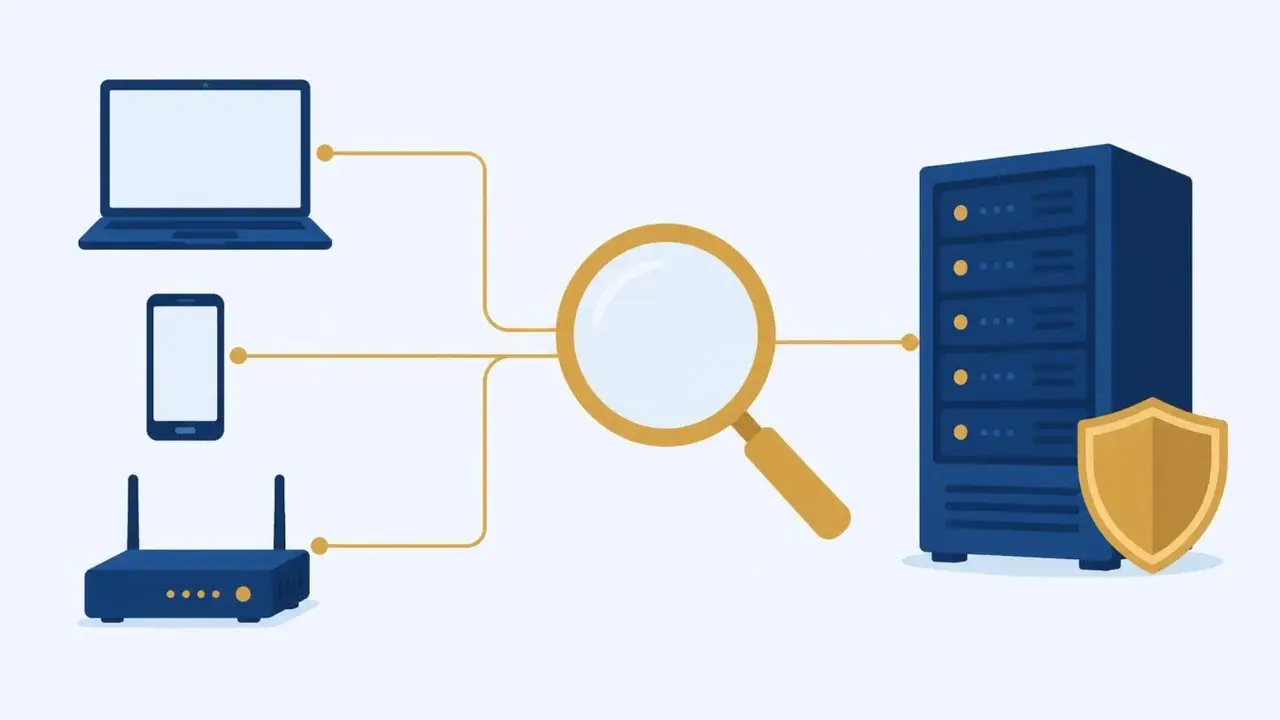
Look for coursework that connects computing foundations with investigation and defense.
Strengths and limits
Strengths to seek: A connected security course sequence, repeated technical practice and assignments that combine analysis with written explanation. These features let you judge what the degree actually asks you to do.
Limitations to check: A program can use a cybersecurity title while leaving important technical subjects to electives. It can also emphasize policy when your goal requires deeper system or programming work.
This path does not fit merely because you held a clearance or worked in a security-sensitive setting. Those experiences deserve consideration, but they do not replace checking the academic prerequisites.
Recommendation: Compare cybersecurity programs first if security-focused coursework is your priority. Keep a program on your shortlist only after examining its required technical work.
Comparing cybersecurity programs?
A free Benefits Navigator call can help you compare any school on your shortlist and how your benefits may apply. About 30 minutes, no obligation to enroll anywhere.
Book a free Navigator call
3. Information technology degrees: examine the systems foundation
2) Information technology: for infrastructure-focused study
Fit: You want to understand how networks, operating systems and organizational technology work before specializing in their defense. An information technology degree with a documented security concentration is a path to investigate.
Separate the core degree from the concentration. The core tells you what every student studies; the concentration tells you which additional security subjects you must complete. Confirm whether those courses are required, elective or dependent on scheduling.
What to look for:
- Required work with networking, operating systems and system administration.
- Security courses that build on the technical foundation rather than repeat introductory material.
- Labs requiring configuration, troubleshooting and documentation.
If you maintained military networks or systems, ask how the school evaluates that experience. Request the actual transfer-credit decision rather than relying on a general statement that the school accepts military training.
Strengths and limits
Strengths to seek: A clear connection between infrastructure operation and security, practical administration assignments and room to build technical depth. This is useful evidence when your intended work centers on maintaining and defending systems.
Limitations to check: An IT degree without a substantial security sequence may not provide the security coursework you want. A concentration can also add requirements that affect your remaining course plan.
Compare attendance demands separately from academic content. The military-friendly online colleges guide gives you another starting point for reviewing delivery options, but you still need the specific program's schedule.
Review transfer credit by requirement
Ask the school to distinguish credit that satisfies a required course from credit that fills an elective. Both can count toward a degree, but they do not answer the same planning question.
A useful transfer evaluation shows what remains. In 2026, build your enrollment decision around that remaining course sequence—not a headline about how much credit a school accepts.
Recommendation: Compare information technology programs when infrastructure is your intended foundation. Do not treat a security concentration as equivalent to a dedicated cybersecurity curriculum without comparing the required courses.
4. Computer science degrees: examine the programming requirements
3) Computer science: for programming and software foundations
Fit: You want programming to be central to your education and are considering work involving software or application security. Compare computer science programs with clearly identified security coursework.
Inspect the programming sequence, mathematics requirements and available security electives. Then check whether the security courses fit within the degree plan you can actually complete. An interesting elective is not useful if prerequisites or scheduling keep it outside your plan.
What to look for:
- A required programming sequence that develops beyond introductory exercises.
- Coursework connecting software behavior with security concerns.
- Projects that require building, reviewing or testing software.
Ask whether security courses run regularly and whether undergraduates can enroll in them. Also ask what students must complete before taking those courses. Get the answer from the department or current catalog.
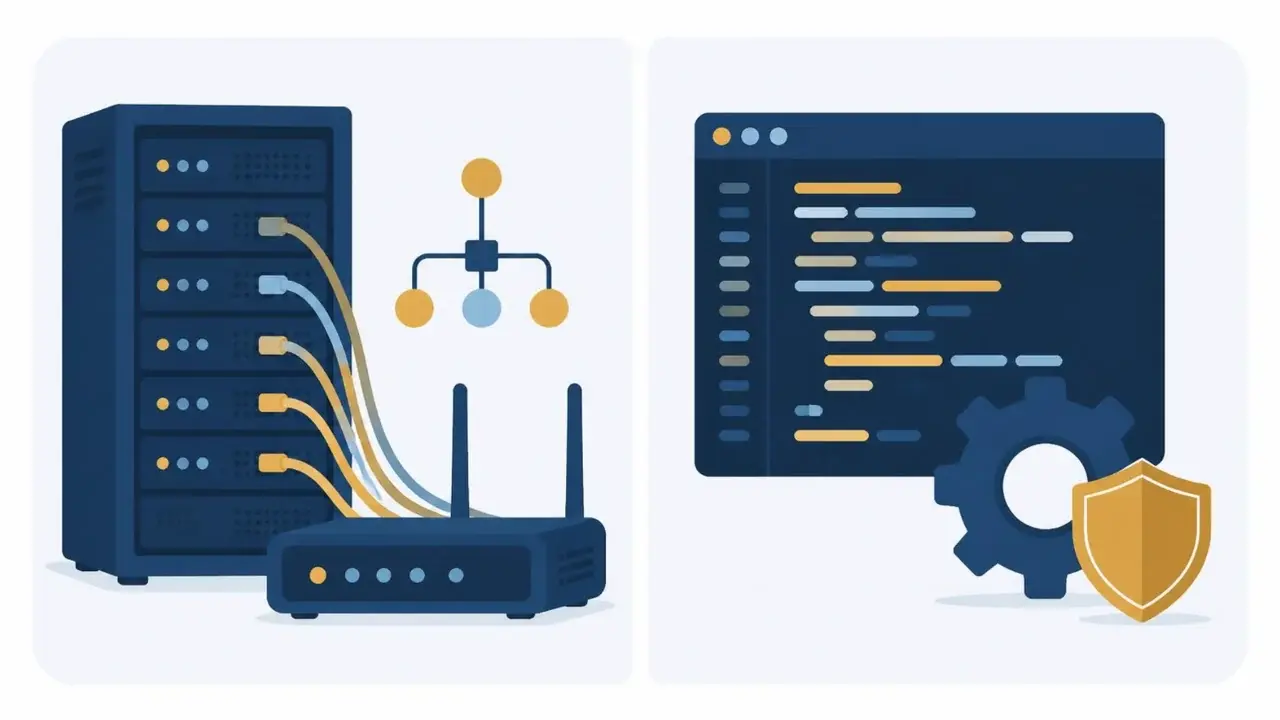
Compare the work each curriculum requires, not just the security language in its description.
Strengths and limits
Strengths to seek: Substantial programming practice, a clear foundation in computing concepts and projects that require technical problem-solving. These are concrete features to examine when software is central to your career goal.
Limitations to check: Security may be a small part of the required curriculum. The mathematics and programming sequence may also differ substantially from the infrastructure-focused study you expected.
Do not choose computer science because it sounds broader or more demanding. Choose it because you want to do the required work. If the course sequence does not match your intended direction, return to the cybersecurity and IT options.
For your 2026 comparison, write down the required security courses separately from the available security electives. That distinction makes competing degree plans easier to judge.
Recommendation: Compare computer science programs when programming is central to your goal. Keep cybersecurity coverage as a separate requirement rather than assuming the degree includes it.
Not sure which degree path fits your goal?
Bring your target role and your shortlist to a free Benefits Navigator call. About 30 minutes, no obligation to enroll anywhere.
Book a free Navigator call
5. How to choose a program you can finish
Start with a target role, then work backward to the curriculum. If your direction is still unclear, compare actual job duties before choosing a school. Leaving the military can make every decision feel connected; separating career direction from school selection makes the process more manageable.
Request a usable academic plan
Ask each school for the same information:
- Your required courses after the transfer evaluation.
- Prerequisites and the order in which you must complete them.
- When required courses and labs are offered.
- Attendance, examination and technology requirements.
- The specific program's benefit-approval status.
For GI Bill planning, speak with the school's certifying official—the staff member who reports eligible enrollment to VA. Check the program in VA's GI Bill Comparison Tool and the Web Enabled Approval Management System, known as WEAMS. Approval and personal eligibility are separate questions.
Keep benefit programs distinct
If you are considering Veteran Readiness and Employment, or VR&E, your counselor approves the employment plan and school. Do not assume that a program's GI Bill approval settles that decision.
The VR&E subsistence allowance guide addresses that support topic separately. Keep the degree's educational purpose first; housing or subsistence support is part of planning how you study, not the reason to select a curriculum.
Scholarships deserve their own eligibility review. Use the scholarships guide for veterans and military families to identify opportunities to investigate without assuming an award or how it interacts with your benefits.
Make the decision from the remaining work
Choose the program whose remaining requirements match your career direction and your actual schedule. A familiar school name, a military-focused webpage or a large transfer-credit headline cannot replace that comparison.
VeteranDegrees provides free education guidance, not degrees or VA benefit determinations. A free Benefits Navigator phone consultation can help you organize questions about your shortlist and how your benefits may apply.
One final check for 2026: ask what happens if a required course is unavailable during your planned term. A degree plan needs a workable sequence, not just an appealing list of subjects.
Programs we work with
If you want to compare these paths at schools we know well, two partner schools offer relevant programs. Check each one against the same criteria as any other school.
- Westcliff University (VeteranDegrees partner): a concentration in cybersecurity in the BS in Information Technology, the BS in Computer Science and the MS in Information Technology, with live online and on-campus classes (Westcliff 2026–27 military program list, February 2026).
- Monroe University (VeteranDegrees partner): a BS in Computer Networks and Cybersecurity. Monroe offers hybrid courses in this major for the Winter 2027 semester, which begins January 8, 2027 (Monroe, September 2026).
6. FAQ
Which cybersecurity degree should a veteran choose?
Choose the degree whose required courses and labs match your intended work. Compare cybersecurity for a security-focused sequence, information technology for infrastructure study and computer science for programming-focused study. No degree title establishes fit by itself.
Is a cybersecurity degree better than an information technology degree?
Neither degree is automatically the stronger choice for every veteran. A cybersecurity curriculum deserves consideration when you want security-focused study, while an IT curriculum deserves consideration when networks and systems are your foundation. Compare required courses, concentrations and labs rather than titles.
Can my military training count toward a cybersecurity degree?
A school may award credit for military training under its policies. Request an individual transfer evaluation and ask which credits satisfy required courses rather than electives. Do not assume an advertised transfer allowance describes your actual award.
Can I use the GI Bill for an online cybersecurity degree?
You may be able to use GI Bill benefits for an approved online cybersecurity program, depending on your eligibility. Confirm the specific program with VA and the school's certifying official. Online delivery does not establish either program approval or your personal benefit eligibility.
Will VR&E approve a cybersecurity degree?
VR&E approval depends on your individual circumstances and the employment plan your counselor approves. Discuss how the proposed curriculum relates to that plan before making an enrollment commitment. VeteranDegrees provides educational guidance and does not make VR&E approval decisions.
Does a cybersecurity degree promise a job after military service?
A cybersecurity degree does not promise employment. Evaluate the required technical work, opportunities to demonstrate skills and career services the school actually provides. Keep employment expectations separate from admission and benefit eligibility.
Want to talk it through? Request a free Benefits Navigator call with VeteranDegrees to discuss your career direction, school shortlist and benefit questions. You can also check any school independently in VA's GI Bill Comparison Tool and WEAMS before deciding.



Best military-friendly online colleges for veterans in 2026

GI Bill® for Spouses and Children: How to Transfer Your Post-9/11 Benefits, and When Chapter 35 or MyCAA Pays Instead